


Description
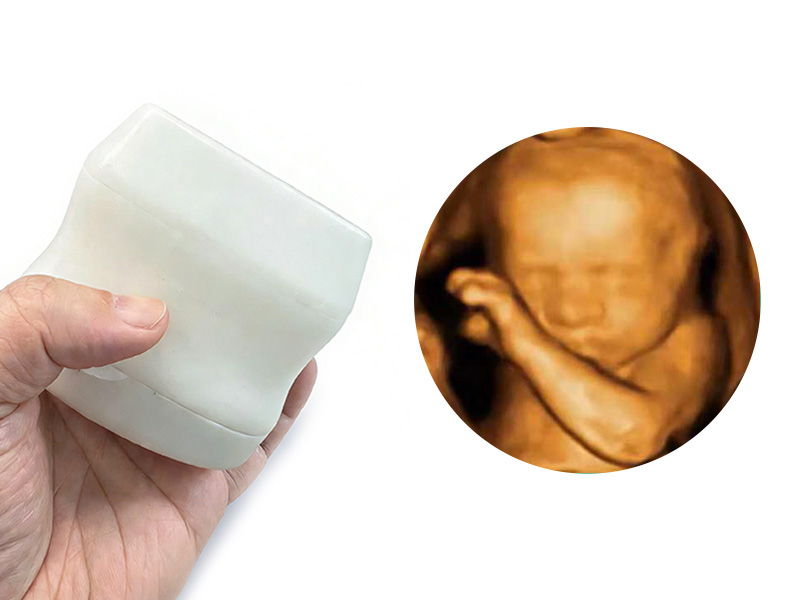
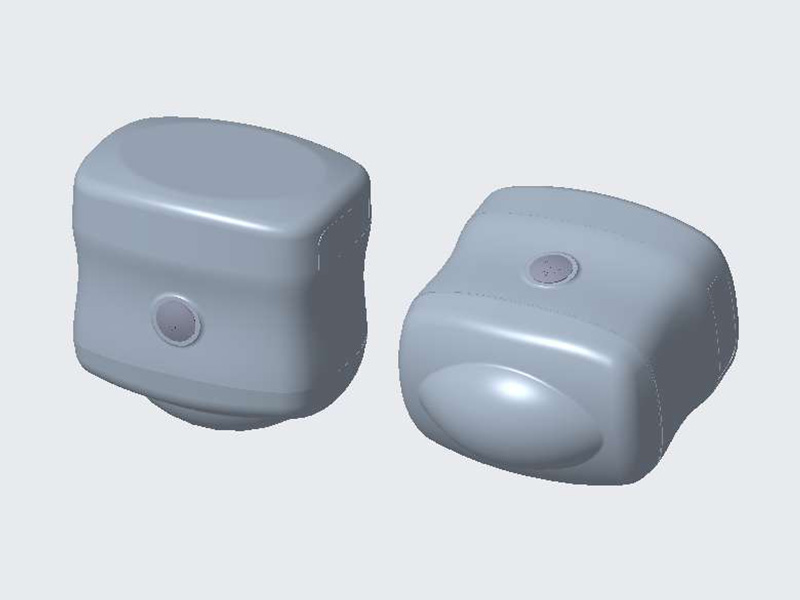
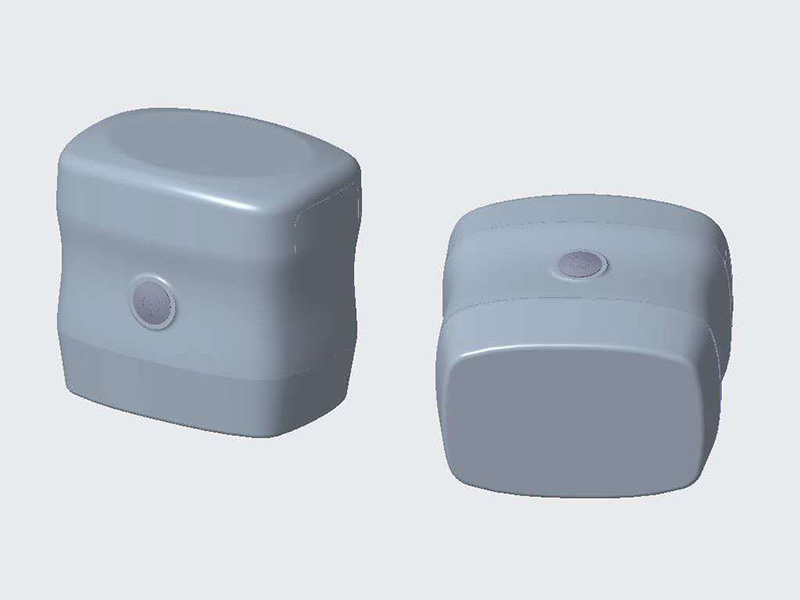
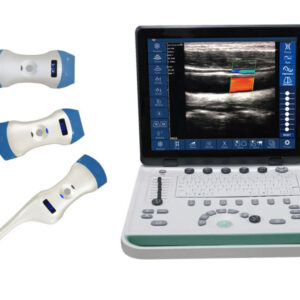
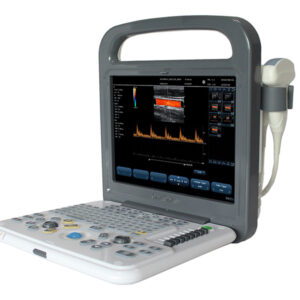
In the rapidly evolving field of medical imaging, 3D wireless handheld ultrasound devices have emerged as a revolutionary breakthrough, especially in point-of-care ultrasound (POCUS) scenarios. These portable and high-performance ultrasound solutions are redefining the accessibility and efficiency of diagnostic imaging, empowering healthcare providers to deliver timely and accurate care anytime, anywhere. The 3D series of wireless handheld ultrasound devices, equipped with advanced wireless probe technology, support various convex and linear arrays—including electronic array plus mechanical swing scanning and rotary scanning—covering a wide frequency range of 2M to 20MHz. What makes this technology even more remarkable is its extremely cost-effective advantage, with a price point only slightly higher than the previous generation of 2D handheld ultrasound devices, making high-quality 3D ultrasound imaging accessible to more medical institutions, from large hospitals to primary care clinics and remote medical sites.
The versatility of the wireless probe in these 3D ultrasound devices ensures compatibility with diverse clinical needs. Convex arrays are ideal for abdominal, obstetric, and gynecological scans, providing a wide field of view to capture comprehensive anatomical structures, while linear arrays excel in high-resolution imaging of superficial tissues such as the thyroid, breast, and musculoskeletal system. The combination of electronic array and mechanical swing/rotary scanning further enhances imaging flexibility, allowing for seamless switching between different scanning modes to adapt to complex clinical scenarios. With a frequency range of 2M to 20MHz, the ultrasound device can penetrate deep tissues (at lower frequencies) and capture fine details of superficial structures (at higher frequencies), ensuring accurate diagnosis across multiple medical specialties. Compared to traditional desktop ultrasound machines, the wireless handheld design eliminates the constraints of cables, enabling healthcare providers to perform scans in tight spaces, during emergency rescues, or during home visits—core advantages that make it a staple in POCUS practice.
3D imaging technology in wireless handheld ultrasound devices has opened up new possibilities in multiple clinical fields, significantly improving diagnostic accuracy and patient care. In obstetrics, 3D ultrasound imaging is widely used for viewing the fetus, allowing doctors to clearly observe fetal morphology, facial features, and organ development in three dimensions. This not only helps in early detection of fetal abnormalities but also enhances communication between healthcare providers and expectant parents, providing a more intuitive understanding of the fetus’s growth. In medical aesthetics, 3D ultrasound has become an indispensable tool for viewing dermal fillers, helping aesthetic practitioners accurately locate filler positions, assess distribution, and avoid complications such as vascular occlusion. This level of precision ensures safer and more effective aesthetic treatments, leveraging the power of ultrasound technology to optimize patient outcomes.
Beyond obstetrics and medical aesthetics, 3D wireless handheld ultrasound devices are widely applied in the diagnosis of thyroid and breast diseases, carotid artery examinations, and musculoskeletal system evaluations. For thyroid and breast imaging, the high-resolution 3D mode can clearly display the size, shape, and internal structure of nodules, assisting doctors in distinguishing between benign and malignant lesions—a critical factor in early cancer screening. In carotid artery examinations, 3D ultrasound helps visualize plaque formation, intima-media thickness, and blood flow dynamics, enabling early detection of cardiovascular risks such as atherosclerosis. For the musculoskeletal system, the wireless probe’s portability allows for real-time imaging of joints, tendons, and muscles during movement, aiding in the diagnosis of injuries, inflammation, and degenerative diseases. In all these scenarios, POCUS capabilities ensure that healthcare providers can perform quick and accurate scans at the patient’s bedside, reducing waiting times and improving treatment efficiency.
Moreover, 3D scanning technology in wireless handheld ultrasound devices plays a pivotal role in standardizing the scanning process—a key challenge in traditional ultrasound imaging. Traditional 2D ultrasound image acquisition heavily relies on the operator’s technical skills and experience; differences in scanning angle, pressure, and technique often lead to inconsistent image quality and diagnostic results. With 3D ultrasound, the device automates many aspects of the scanning process, guiding operators through standardized protocols and capturing comprehensive 3D data sets. This eliminates the need for advanced technical skills in ultrasound image acquisition, lowering the learning curve for healthcare providers, especially those in primary care or non-imaging specialties. By avoiding the influence of individual technique differences on scanning results, 3D wireless handheld ultrasound devices ensure consistent, reliable, and reproducible diagnostic outcomes across different operators and medical settings.
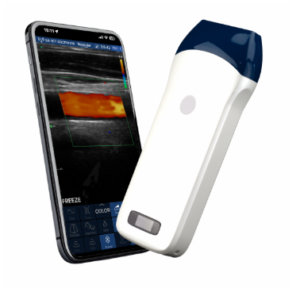
The integration of wireless technology and 3D imaging in handheld ultrasound devices also brings significant operational benefits. The wireless probe connects seamlessly to smartphones, tablets, or lightweight workstations, enabling instant image viewing, storage, and sharing. Healthcare providers can easily send 3D ultrasound images to specialists for remote consultation, facilitating collaborative diagnosis and improving patient care in underserved areas. Additionally, the compact and lightweight design of these devices reduces storage space requirements and transportation costs, making them ideal for mobile medical teams, disaster relief efforts, and rural healthcare clinics. As POCUS continues to gain traction in modern medicine, 3D wireless handheld ultrasound devices are becoming essential tools for delivering high-quality, patient-centered care.
In summary, 3D wireless handheld ultrasound devices represent a major advancement in ultrasound technology, combining portability, affordability, and high performance. With support for multiple array types, a broad frequency range, and versatile clinical applications, these devices are transforming the way ultrasound imaging is delivered in POCUS and beyond. By standardizing scanning processes and reducing reliance on operator skills, they ensure consistent diagnostic accuracy, while their cost-effective design makes advanced 3D ultrasound accessible to more healthcare providers worldwide. As the demand for point-of-care diagnostics grows, 3D wireless handheld ultrasound devices will continue to play a critical role in improving healthcare accessibility, efficiency, and patient outcomes across the globe
Your message has been sent

Reviews
There are no reviews yet.