

Description
1. Core Scanning & Convex Probe Parameters
Foundational hardware that ensures reliable deep-tissue imaging performance:
- Scanning & Probe Design: Electronic Array and Electronic Convex array scanning, equipped with a 192-element high-precision convex probe. The dense element count enables uniform acoustic beam transmission, minimizing distortion and enhancing signal fidelity—critical for visualizing deep anatomical structures. Dual-frequency adjustment (3.2/5.0MHz) adapts to diverse clinical needs: 3.2MHz provides strong penetration (up to 305mm) for deep tissues like the liver, kidneys, and mid-term fetus; 5.0MHz balances resolution and penetration for medium-depth structures such as the gallbladder and pelvic organs.
- Imaging Range: Adjustable convex scanning depth (90-305mm) covers deep to ultra-deep tissue examinations, eliminating the need for multiple devices for different depth requirements. Convex R60 field of view (60° arc) offers a wide imaging scope, facilitating comprehensive observation of large abdominal or pelvic regions without frequent probe repositioning—improving examination efficiency.
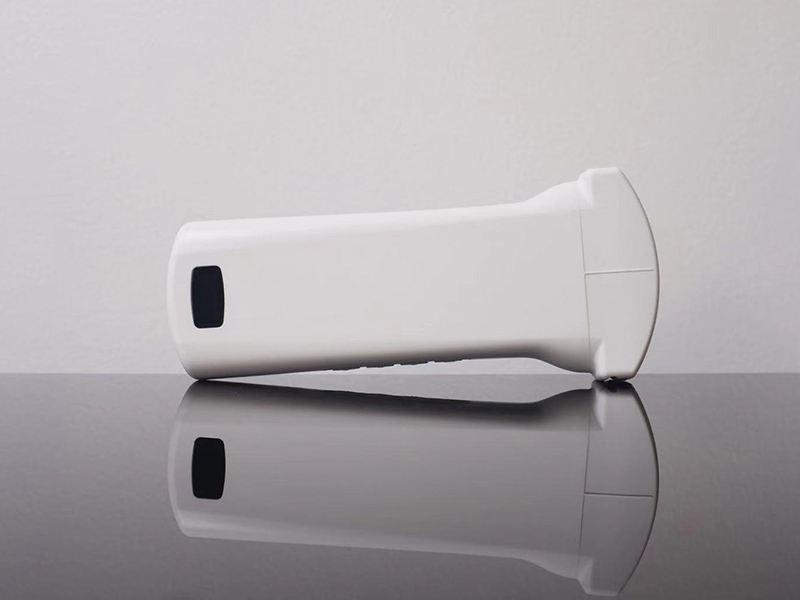
- Probe Ergonomics: The convex probe’s curved design ensures close skin contact and optimal acoustic coupling, even on irregular body surfaces. This design enhances image consistency and reduces operator effort during prolonged scans.
2. Imaging Quality & Optimization Functions
Comprehensive tools to maximize clarity and diagnostic accuracy for deep tissues:
- Imaging Modes & Foundation: Supports B, B/M, Color, PDI (Power Doppler Imaging), and PW (Pulsed Wave Doppler) modes. 256-level image gray scale accurately reproduces subtle tissue density differences, enabling detection of small lesions or structural abnormalities in deep tissues. The scanner’s optimized signal-to-noise ratio ensures low-distortion imaging, even at maximum penetration depths.
- Image Adjustment: Equipped with multi-dimensional optimization features, including Gain (30dB-105dB), 8-level Dynamic Range (40-110), and 5-level Noise Reduction (0-4). These tools allow operators to fine-tune image brightness, contrast, and noise suppression—adapting to tissue density variations (e.g., fatty tissue vs. muscle) and ensuring clear visualization of target structures.
- Real-Time Performance: The scanner maintains smooth imaging for dynamic processes like fetal movement, vascular pulsation, or organ peristalsis, supporting real-time assessment of tissue functionality during examinations.
3. Clinical Functions & Data Management
Practical features tailored to streamline clinical workflows:
- Measurement Capabilities: Supports distance, area, obstetrics, and other quantitative measurements. For obstetric use, it provides accurate data on fetal biometrics (e.g., biparietal diameter, femur length); for abdominal imaging, it enables precise sizing of organs or lesions—supporting diagnosis, treatment planning, and follow-up evaluations.
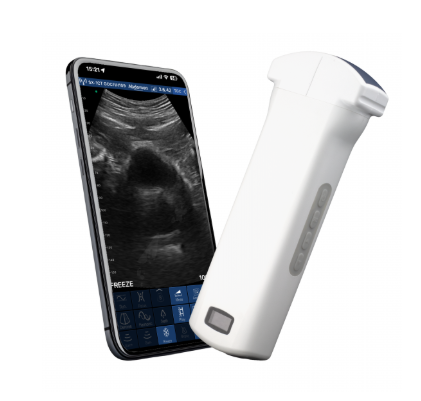
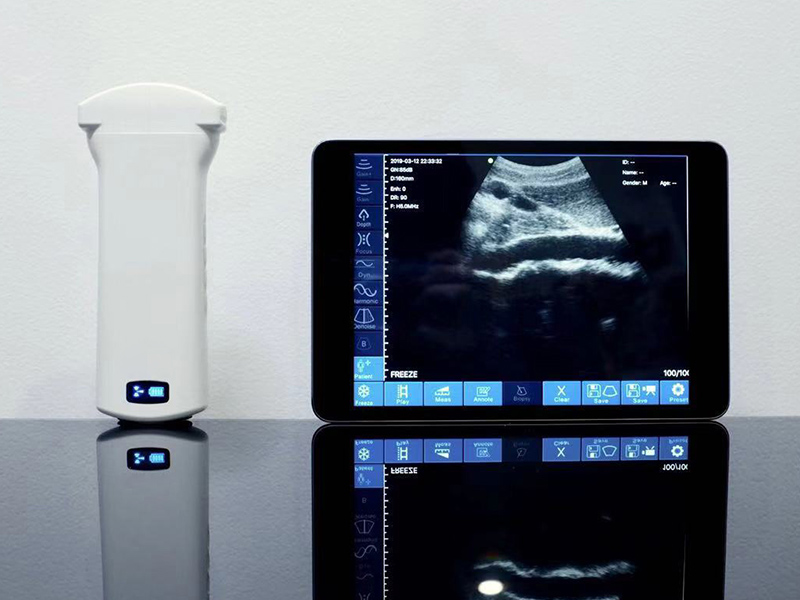
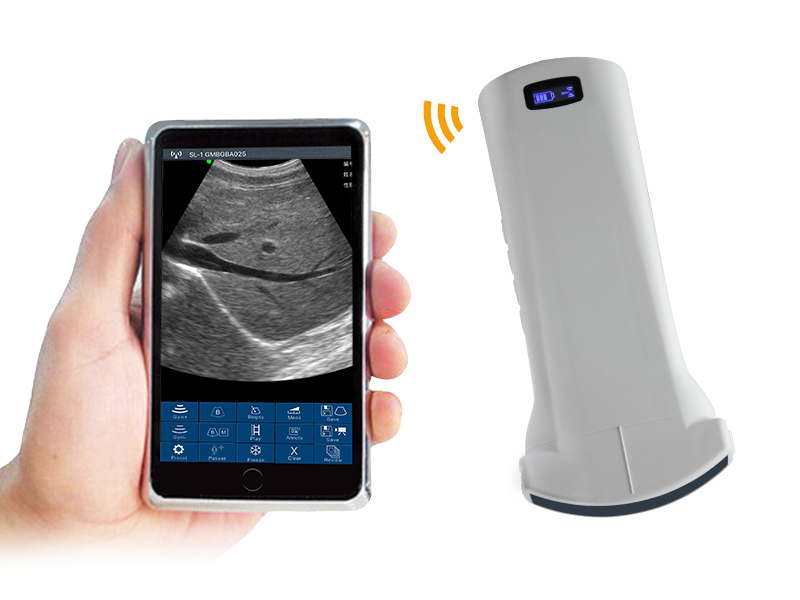
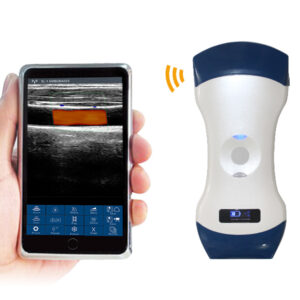
- Data Storage & Sharing: Images and videos are directly stored on mobile phones or tablets, eliminating the need for external storage devices. The wireless design facilitates on-site review, quick case sharing with colleagues, and seamless integration with electronic medical records (EMRs) or hospital PACS systems—aligning with modern digital healthcare workflows.
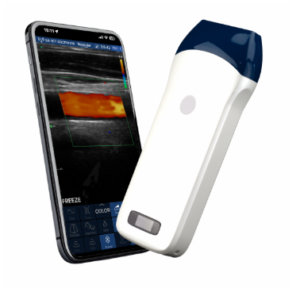
- User-Centric Operation: Compatible with smartphone or tablet screens, the scanner leverages intuitive touch-based controls via dedicated apps for iOS, Android, and Windows. This user-friendly interface reduces training time and enables efficient operation in fast-paced clinical environments.
4. Power & Physical Specifications
Portability and endurance optimized for extended clinical use:
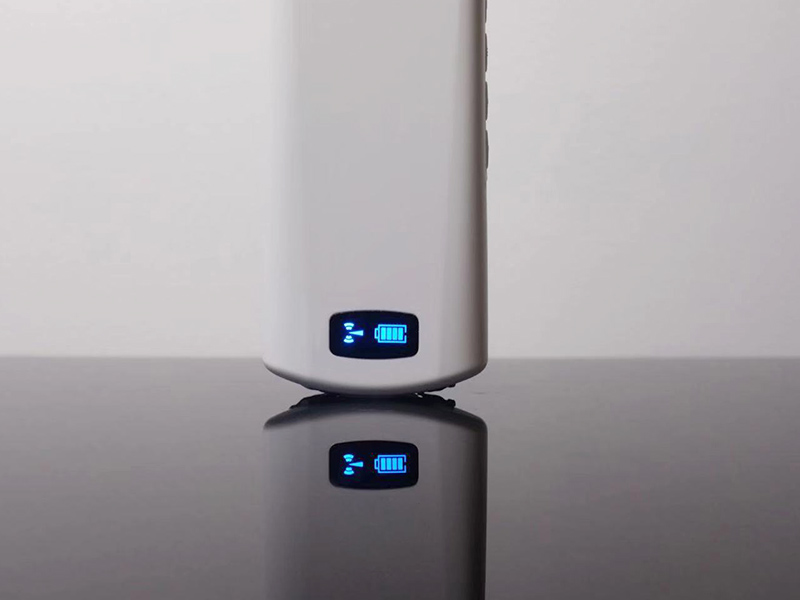
- Power Supply: Built-in 5600mAh high-capacity lithium battery delivers 5 hours of continuous working time—ideal for long shifts, mobile home visits, or field medical services without access to power outlets. The reliable battery performance ensures uninterrupted use during critical examinations (e.g., emergency abdominal scans or prenatal check-ups).
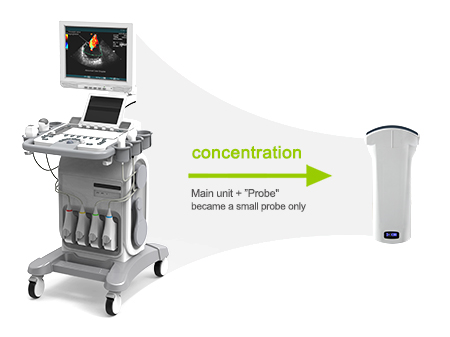
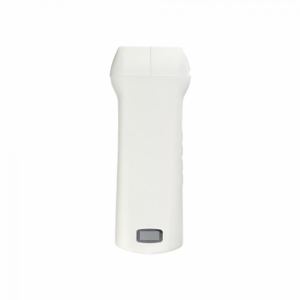
- Ultra-Portable Design: Compact dimensions (156mm×60mm×20mm) and 250g net weight make it easy to carry in a medical bag or briefcase. Its lightweight, ergonomic form factor reduces operator fatigue during prolonged use, while the durable construction withstands the demands of daily clinical use.
- System Compatibility: Seamlessly works with iOS, Android, and Windows operating systems, supporting flexible connection to a wide range of devices. This cross-platform adaptability ensures compatibility with existing clinical setups and user preferences, enhancing its practicality in diverse healthcare settings.
The VISION6 C Convex Palm Doppler Ultrasound Scanner integrates deep penetration, high-resolution imaging, and extended battery life to meet the demands of deep-tissue ultrasound examinations. It balances precision, portability, and operational convenience—making it an indispensable tool for radiologists, obstetricians, general practitioners, and emergency physicians. Whether in a clinic, hospital, or remote field setting, it delivers consistent, high-quality imaging to support timely and accurate clinical decisions, while its user-centric design ensures accessibility for healthcare professionals at all skill levels.

Reviews
There are no reviews yet.