

Description
1. Core Scanning & Probe Parameters
Core hardware and scanning specifications that lay the foundation for ultra-high-resolution superficial imaging:
-
Scanning Mode: Electronic Array & Electronic Linear Array Scanning, equipped with 128 high-precision piezoelectric elements and multi-channel signal processing, ensuring uniform acoustic beam transmission and accurate capture of superficial tissue signals with minimal distortion.
-
Probe Specifications: Linear probe with dual-high-frequency adjustment (10MHz/14MHz) – 10MHz for balanced resolution and penetration in medium-superficial tissues, 14MHz for ultra-high-resolution imaging of tiny superficial structures (e.g., micro-nodules, thin blood vessel walls).
-
Scanning Range: Adjustable scan depth (20/30/40/55mm) to match different superficial tissue thicknesses; L25 field of view, providing a focused and clear imaging scope for detailed observation of small target structures.
-
Imaging Foundation: 256-level image gray scale, accurately reproducing subtle density differences between normal tissues and lesions, laying a solid foundation for precise diagnosis of superficial abnormalities.
2. Imaging Quality & Optimization Functions
Comprehensive imaging modes and adjustable tools to enhance superficial imaging clarity and diagnostic precision:
-
Display Modes: Supports B and B/M modes, covering static superficial tissue morphology observation and dynamic process monitoring (e.g., muscle contraction, vascular pulsation), meeting routine diagnostic needs.
-
Image Adjustment: Equipped with multi-dimensional optimization tools, including Gain (30dB-105dB), 5-level Noise Reduction (0-4), 8-level Dynamic Range (40-110), TGC (Time-Gain Compensation), Focus, and Depth adjustment. These tools effectively reduce image noise, balance tissue brightness, and enhance image layering for personalized imaging effects.
-
Image Stability: Optimized signal processing algorithm ensures stable imaging with clear details, even for tiny superficial lesions, improving the accuracy of lesion identification and characterization.
3. Clinical Auxiliary & Data Management
Practical auxiliary functions and flexible data handling to improve superficial tissue examination efficiency:
-
Measurement Functions: Supports multiple clinical measurement items, including distance, area, angle, heart rate, and obstetric parameters related to superficial fetal structures. It provides accurate quantitative data to assist in evaluating lesion size, tissue thickness, and physiological indicators.
-
Image/Video Storage: Directly stores images and videos on mobile phones or tablets, eliminating the need for additional storage devices. The storage design facilitates on-site review, quick case sharing, and easy data archiving for follow-up comparison.
-
Clinical Adaptability: The high-resolution imaging and precise measurement functions are particularly suitable for the diagnosis of small organ diseases and superficial vascular abnormalities, providing reliable evidence for clinical decision-making.
4. System Compatibility & Physical Specifications
Cross-system compatibility and portable design optimized for mobile and clinical application scenarios:
-
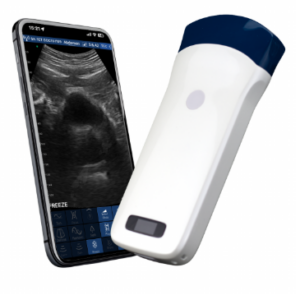
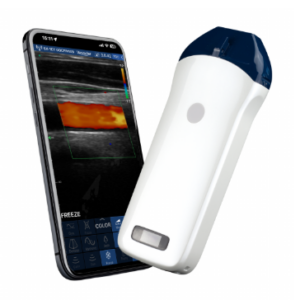
Display & Compatibility: Adapts to smartphone or tablet screens; compatible with iOS, Android, and Windows operating systems, enabling flexible connection to various terminal devices and reducing operational learning costs.
-
Power Supply: Equipped with a built-in 4200mAh lithium battery, supporting 3 hours of continuous operation, fully covering daily clinical examination needs without frequent charging.
-
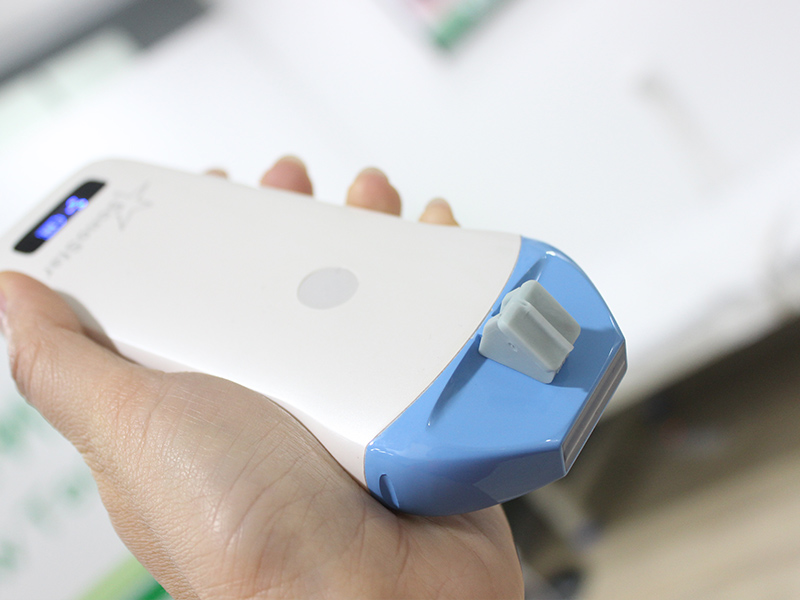
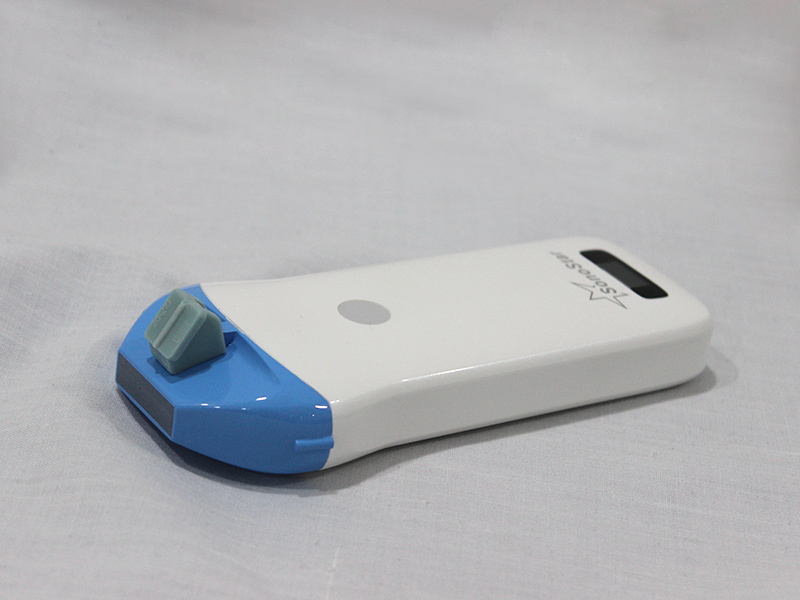
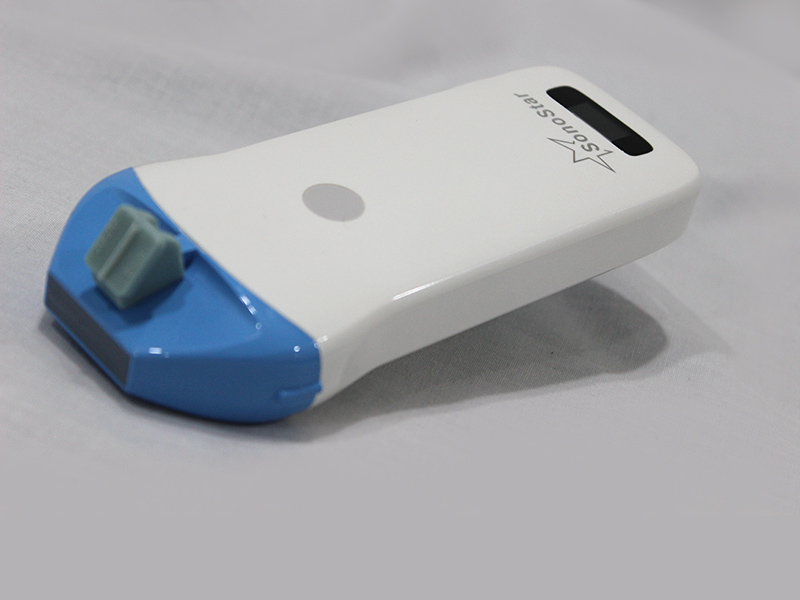
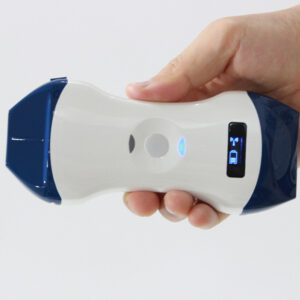
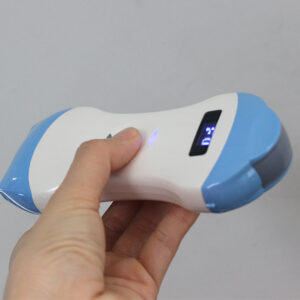
Physical Dimensions: 156mm×60mm×20mm compact size, 220g net weight, ergonomic design for comfortable handheld operation, easy to carry in a medical bag for mobile superficial tissue examinations.
The VISION5 L linear probe ultrasound system integrates ultra-high-resolution imaging performance, practical clinical functions, and portable design. With its 128-element configuration and dual-high-frequency probe, it provides stable and precise superficial tissue imaging solutions for clinics, primary healthcare institutions, and specialist departments, balancing diagnostic accuracy and operational flexibility in superficial examination scenarios.
Your message has been sent

Reviews
There are no reviews yet.