

Description
1. Core Scanning & Phased Array Parameters
Foundational hardware and imaging capabilities that define specialized performance:
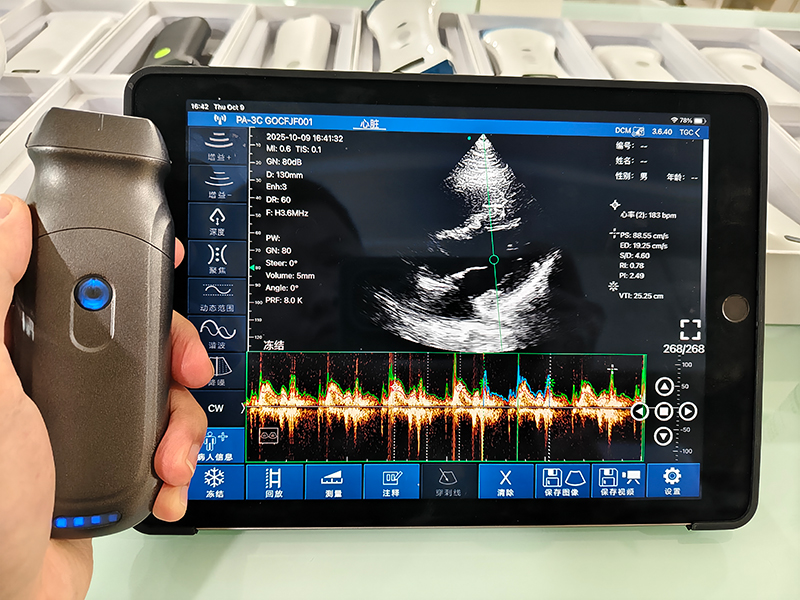
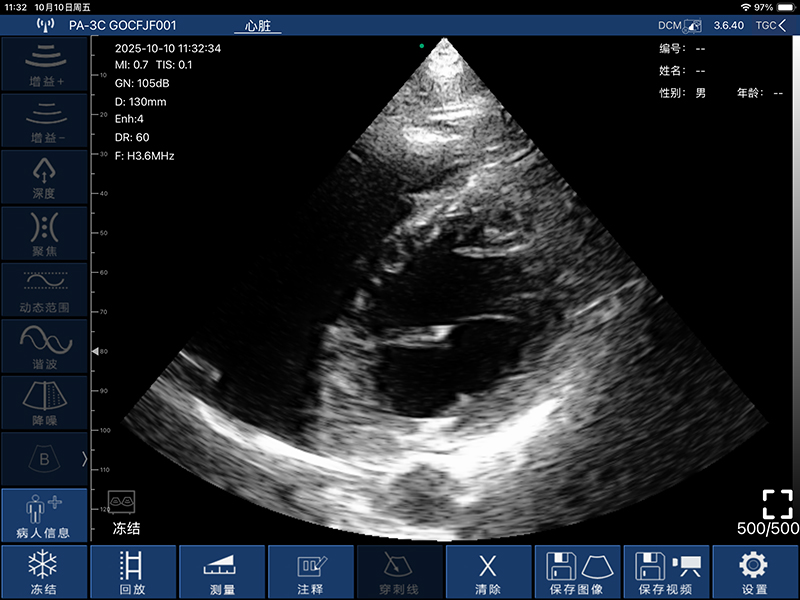
- Scanning & Signal Processing: Electronic phased array scanning with 64 RT channels ensures high-fidelity signal capture and rapid data processing, minimizing image distortion and enhancing detail resolution. The phased array design enables focused beam steering, critical for visualizing deep, confined structures like the heart and intracranial vessels.
- Multi-Frequency Adaptation: Three specialized frequencies—central 2.8MHz (versatile deep imaging), cardiac reverse harmonic 3.6MHz (enhanced cardiac tissue contrast), and transcranial fundamental 2.2MHz (optimized for skull penetration)—tailored to cardiac and transcranial examination needs.
- Imaging Range: 80° display angle provides a wide field of view for comprehensive observation; adjustable display depth (90/130/160/200mm) adapts to different tissue depths, from superficial cardiac structures to deep intracranial vessels.
2. Imaging Quality & Optimization Functions
Advanced tools to maximize clarity and diagnostic accuracy for specialized scenarios:
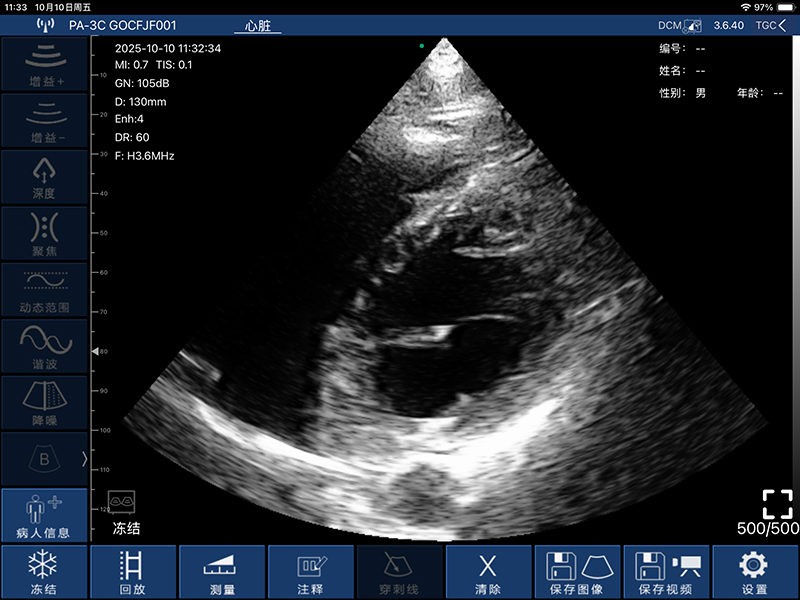
- Imaging Modes: Supports B, B/M, Color, PW (Pulsed Wave), CW (Continuous Wave), and PDI (Power Doppler Imaging) modes. This versatility covers static tissue observation, dynamic cardiac motion monitoring, and blood flow detection—enabling multi-dimensional assessment of cardiac function and vascular patency.
- Image Adjustment: Equipped with comprehensive optimization features, including Gain (30dB-105dB), 8-level Dynamic Range (40-110), Focus, Depth, Harmonic, and 5-level Noise Reduction (0-4). These tools reduce background interference, enhance tissue edge definition, and improve signal-to-noise ratio—critical for identifying subtle abnormalities in complex anatomical regions.
- Imaging Foundation: 15~20 frames/second variable frame rate ensures smooth real-time imaging, capturing rapid dynamic changes like cardiac valve motion and vascular pulsation with clarity.
3. Clinical Functions & Operational Convenience
Practical features tailored to specialized clinical workflows:
- Puncture Assistance: In-plane/out-of-plane puncture guide lines and automatic vascular measurement function support precise interventional procedures (e.g., cardiac catheterization, transcranial vascular interventions), reducing procedural risk and improving success rates.
- Measurement Capabilities: Supports Length, Area, Angle, and Heart-specific parameters, providing quantitative data for evaluating cardiac chamber size, lesion dimensions, and vascular diameter—essential for diagnosis and treatment planning.
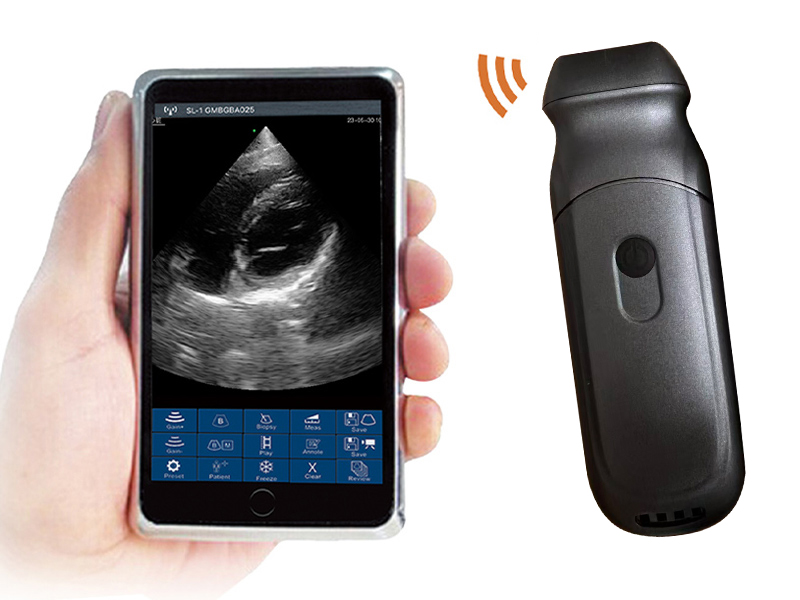
- Wireless Connectivity: WiFi 802.11g/20MHz/5G (450Mbps) enables stable wireless data transfer, facilitating real-time image sharing with colleagues and integration with hospital PACS systems for standardized record-keeping.
4. Power & Physical Specifications
Ultra-portable design optimized for specialized mobile use:
- Power Supply: Built-in battery provides 1.5 hours of continuous working time, ideal for emergency rescues, bedside examinations, and field medical services. USB cable charging ensures convenient power replenishment in diverse clinical environments.
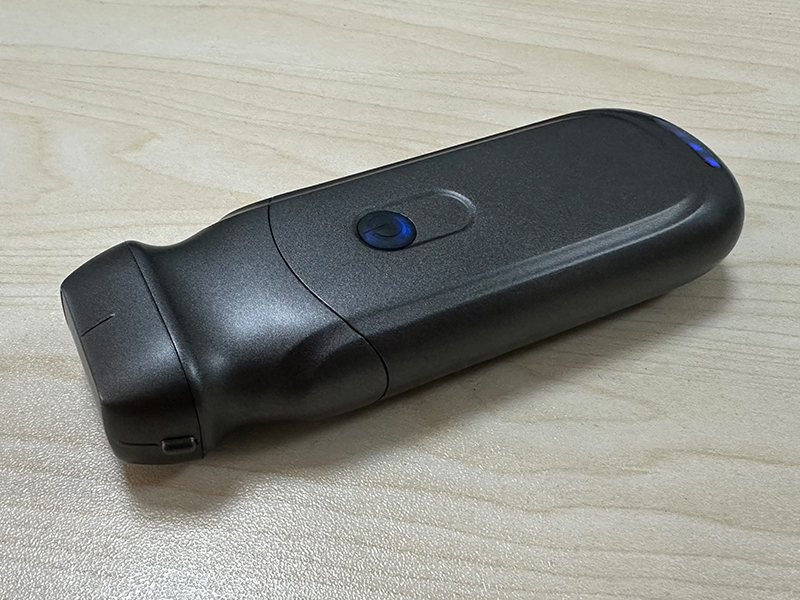
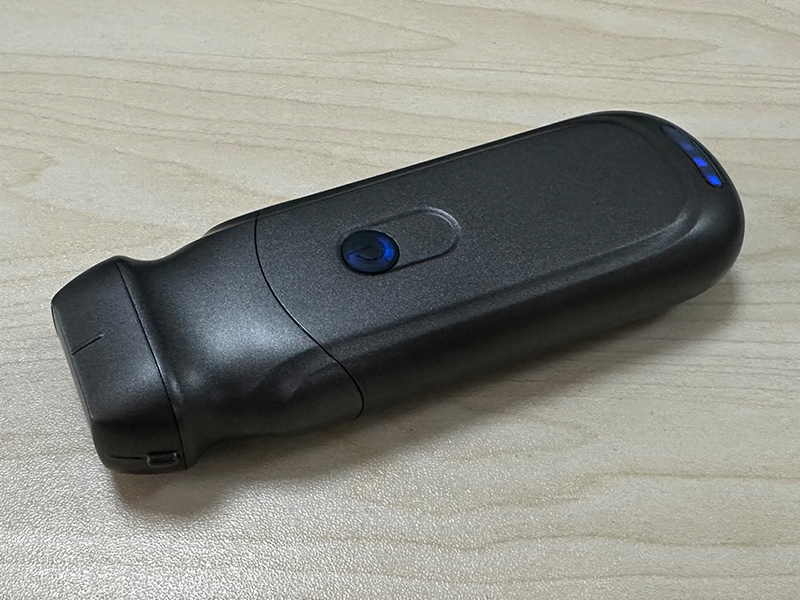
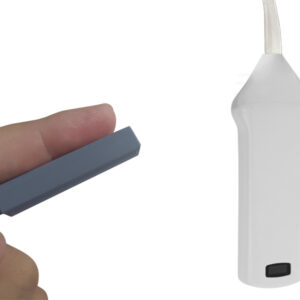
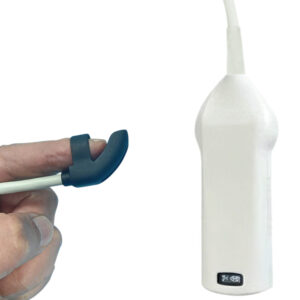
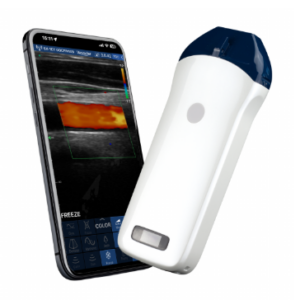
- Ultra-Compact Form Factor: Dimensions of 140×60×20mm and 120g weight make it one of the smallest and lightest phased array scanners on the market. Its palm-sized design fits easily in a medical bag, enabling easy transport and one-hand operation.
- System Compatibility: Works seamlessly with Apple iOS, Android, and Windows operating systems, supporting flexible connection to smartphones, tablets, and computers. This cross-platform adaptability ensures compatibility with existing clinical setups and user preferences.
The VISION6 6PA Phased Array Palm Doppler Ultrasound Scanner redefines specialized imaging through its 64-channel signal processing, multi-frequency adaptation, and ultra-portable design. It balances precision, convenience, and diagnostic depth—making it an indispensable tool for cardiologists, neurologists, emergency physicians, and interventional radiologists. Whether in a clinic, emergency room, or remote field setting, it delivers consistent, high-quality imaging to support timely and accurate clinical decisions for cardiac and transcranial conditions.

Reviews
There are no reviews yet.