

Description
1. Core Scanning & Finger Sleeve Probe Parameters
Foundational hardware and probe design that define precision and usability:
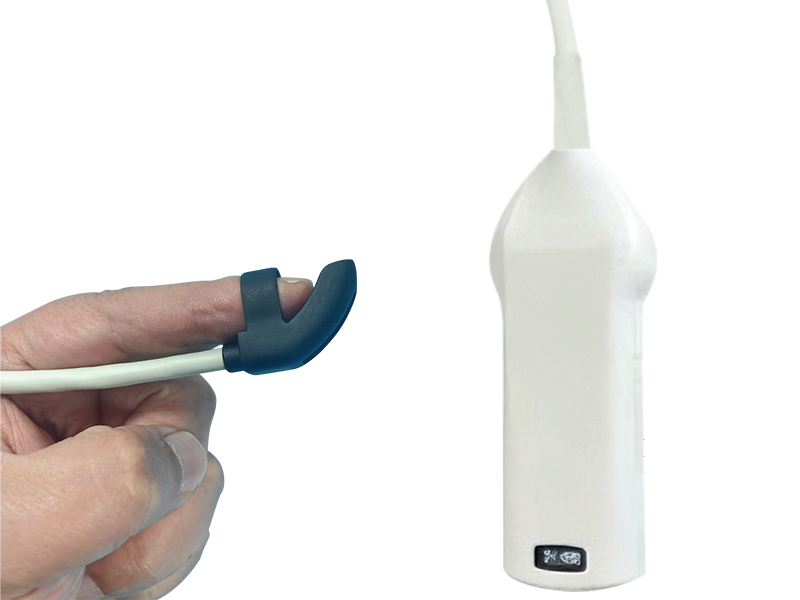
- Probe & Signal Processing: Electronic Array Linear scanning with a finger sleeve probe—192 high-precision elements and 64 channels ensure high-fidelity signal processing, minimizing distortion and enhancing image detail. The 11MHz single high frequency is optimized for ultra-superficial tissues (10-40mm depth), ideal for visualizing small blood vessels, nerve bundles, and micro-structures of small organs.
- Imaging Range: Adjustable scanning depth (10/20/30/40mm) tailored to superficial examination needs; 25mm field of view provides focused, high-resolution coverage, eliminating unnecessary background and concentrating on target areas.
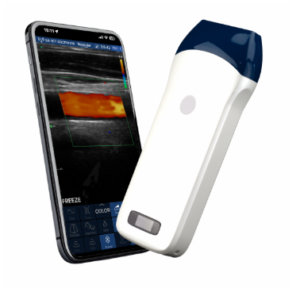
- Ergonomic Design: The finger sleeve probe fits snugly on the operator’s finger, enabling intuitive positioning and precise control—especially useful for hard-to-reach anatomical sites or when steady hands-free scanning is required.
2. Imaging Quality & Optimization Functions
Advanced tools to maximize clarity and diagnostic accuracy:
- Imaging Modes & Foundation: Supports B, B/M, Color, PDI (Power Doppler Imaging), and PW (Pulsed Wave Doppler) modes, covering static tissue observation, dynamic monitoring (e.g., blood flow velocity), and vascular assessment. 256-level image gray scale reproduces subtle tissue contrast, critical for identifying micro-abnormalities.
- Image Adjustment: Equipped with comprehensive optimization features, including Gain (30dB-105dB), Focus, Reverse Pulse Harmonics, and 5-level Noise Reduction (0-4). These tools reduce background interference, enhance edge definition, and improve signal-to-noise ratio—ensuring sharp visualization of ultra-superficial structures.
- Dynamic Range: 8-level adjustable dynamic range (40-110) allows customization of image contrast, adapting to different tissue types and clinical scenarios for optimal detail extraction.
3. Clinical Functions & Data Management
Practical features tailored to clinical workflow efficiency:
- Puncture Assistance: In-Plane/Out-Plane puncture guide lines and automatic vascular measurement function support precise interventional procedures (e.g., micro-vascular puncture, nerve block guidance), reducing procedural time and improving safety.
- Cineloop & Measurement: Manual/automatic Cineloop with adjustable playback frames (100/200/500/1000) enables frame-by-frame review of dynamic processes; measurement tools for distance, area, obstetrics, and more provide quantitative data for diagnosis and follow-up.
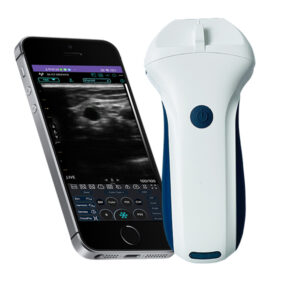
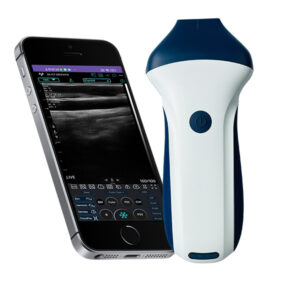
- Data Storage & Connectivity: Images/videos are stored in JPG, MP4, PNG, and DCM formats directly on mobile phones, tablets, or PCs—ensuring compatibility with PACS systems for standardized record-keeping. WiFi 802.11n/2.4G/5G dual-band (450Mbps) enables fast wireless data transfer and remote sharing.
4. Power & Physical Specifications
Portability and flexibility optimized for mobile use:
- Power Supply: Built-in 2200mAh lithium battery provides 1.5 hours of continuous working time; support for wireless charging extends operation indefinitely—ideal for long shifts or field medical services without access to power outlets.
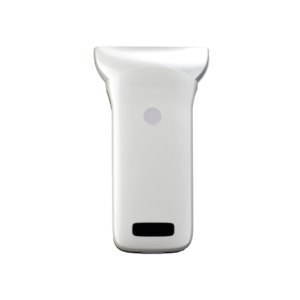
- Ultra-Portable Design: Compact dimensions (156mm×60mm×20mm) and 180g net weight make it one of the lightest handheld ultrasound scanners on the market. The finger sleeve probe design further enhances portability, fitting easily in a pocket or small medical bag.
- System Compatibility: Works seamlessly with iOS, Android, and Windows operating systems, supporting connection to smartphones, tablets, and computers. This cross-platform flexibility adapts to diverse clinical setups and user preferences.
The VISION6 T Handheld Doppler Ultrasound with Finger Sleeve Probe redefines precision in superficial imaging through its high-frequency transducer, ergonomic design, and advanced signal processing. It balances portability, usability, and diagnostic accuracy—making it an indispensable tool for medical professionals specializing in vascular medicine, interventional radiology, small organ imaging, and point-of-care diagnostics. Whether in a clinic, emergency room, or remote field setting, it delivers consistent, high-quality imaging to support timely and accurate clinical decisions.

Reviews
There are no reviews yet.